Recycling Facility and Air Curtains
Why are Air Curtains Necessary in Recycling and Waste Facilities?
Energy efficiency, hygiene, and environmental control combined
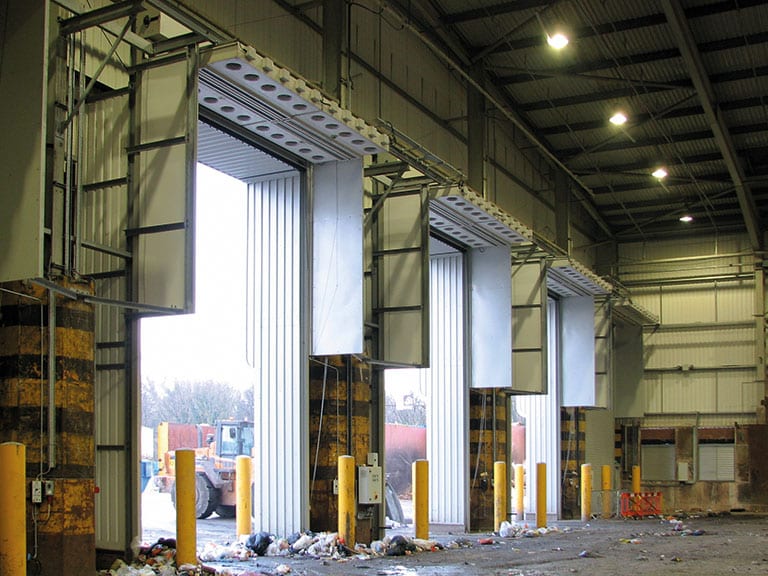
Recycling and waste processing facilities are industrial-scale operations with a continuous flow of materials. In such facilities, large door openings, loading/unloading points, and vehicle entry/exit areas are heavily used throughout the day, and some doors may remain open for extended periods. These openings, directly exposed to weather conditions, disrupt the balance of the indoor environment and create undesirable interaction with the external environment. At this point, air curtains play a critical role not only in providing comfort but also in controlling environmental impacts, reducing energy losses, and making processes more sustainable.
Mechanical ventilation and fresh air distribution systems in recycling facilities help control the indoor environment, contributing to energy efficiency and hygiene. In such facilities, doors frequently opening and closing or remaining open for long periods make it difficult to control indoor conditions and create various operational risks. Traditional solutions (e.g., roller shutters, PVC strip curtains, or automatic shutter systems) often prove inadequate in these areas because these systems slow down logistics processes when closed and cannot provide a physical barrier between indoor and outdoor environments when open.
Air curtains offer an effective and continuous solution to this problem. Even when the door is open, they create an invisible barrier with a high-velocity directed airflow, protecting the temperature, humidity, and hygiene conditions of the indoor space. Especially in waste management and recycling facilities, they not only prevent dust, dirt, and pests from entering from the outside but also significantly prevent unpleasant odors and pests generated inside from spreading to the outside. This directly contributes to maintaining internal hygiene and reducing environmental impacts.
In other words, air curtains in these types of facilities are not just a comfort product but an important infrastructure component for maintaining healthy, environmentally conscious, and efficient operations.
What do Teddington Air Curtains Provide?
- Energy Efficiency
In recycling facilities, frequent opening and closing of doors lead to disruption of the indoor temperature balance and energy losses. Air curtains prevent heat loss by protecting the indoor environment from external factors even when doors are open. This prevents heating and cooling systems from running unnecessarily and increases the facility's energy efficiency. Furthermore, the CONVERGO® Nozzle Discharge System plays an important role in this process as a technology that optimizes airflow. This system directs airflow more efficiently and purposefully, thus providing more effective screening with less energy. As a result, energy consumption decreases, and the overall energy efficiency of the facility increases. You can examine how the Convergo nozzle system is better than other air curtains via this link: https://teddington.de/en/how-it-works/convergo-nozzle-system/
- Control of Contact with the External Environment
In waste management facilities, it is of great importance that physical and biological effects generated in the indoor environment are not transferred to the external environment. Especially in areas where waste is processed, elements such as odor, vapor, and pests can spread to the environment through open doors. Air curtains, at this point, create an invisible barrier, minimizing air movement from the indoor space to the outdoor environment. Thus, not only internal hygiene but also the protection of the facility's surroundings is ensured. This facilitates the fulfillment of environmental obligations and reduces the negative effects of interaction with neighboring areas.
- Operational Efficiency
Constantly opening and closing doors can slow down operational processes and impede material flow. Air curtains stabilize indoor conditions even in situations where such doors need to remain continuously open. Thus, operations continue uninterrupted, and labor efficiency increases.
- Long-Term Economic Savings
Air curtains may appear to have a higher initial investment cost compared to traditional door systems; however, when long-term operating expenses are considered, they provide significant economic advantages. Especially thanks to the CONVERGO® Nozzle Discharge System technology exclusive to the Teddington brand, the airflow is directed to provide maximum effect with minimum energy. This contributes to both reducing electricity consumption and minimizing heat losses.
Furthermore, unlike physical door systems, air curtains have a very small number of moving mechanical parts. This reduces maintenance needs, lowers the risk of malfunctions, and ensures a longer system life. Providing speed and ease at door passages also increases labor efficiency and prevents time loss during vehicle entry and exit.
When all these factors are combined, air curtains offer not only energy savings but also measurable economic benefits to facilities in terms of maintenance, mechanical installation details, labor, and time. In this respect, air curtains should be considered a long-term investment rather than a short-term comfort solution.
Ideal Solution for Recycling Facilities: Induvent Air Curtains
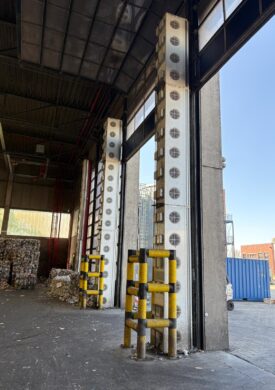
Teddington offers high-efficiency air curtains for industrial facilities. These products are specifically designed for facilities operating in challenging conditions and are equipped with advanced technologies to cope with all kinds of external factors. Among these solutions, Induvent Air Curtains stand out with their different mounting options and energy efficiency, drawing attention with the advantages they provide in recycling facilities.

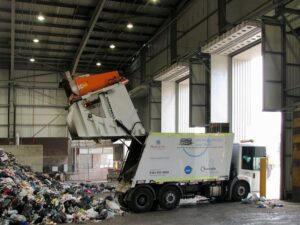
Features of Induvent Air Curtains and Their Suitability for Recycling Facilities
Induvent Air Curtains are optimized for use in industrial areas. Their adaptable structure with both horizontal and vertical mounting options offers flexibility according to the physical requirements of the facility. Furthermore, their ability to be produced in any length makes them a suitable solution for various door openings. This flexibility ensures seamless use in different door structures within recycling facilities.
Equipped with CONVERGO® nozzle discharge system technology, Induvent provides energy efficiency by reducing energy consumption while minimizing interaction with the environment. This helps reduce energy costs in recycling facilities and lessen the environmental impact of the facility. These air curtains optimize the indoor environmental conditions of the facility and prevent potential problems arising from constantly opening and closing doors.
Additionally, Induvent Air Curtains not only limit interaction with the external environment but also minimize environmental impact by preventing unpleasant odors that may arise in recycling facilities from leaking outside. Controlling the problem of bad odors in recycling facilities is a critical factor for ensuring environmental safety and maintaining the overall hygiene level of the facility. Induvent effectively solves this problem, minimizing the facility's interaction with the external environment and improving the quality of the working area.
Maintaining indoor air quality, ensuring energy savings, and creating an environmentally friendly working environment in recycling and waste management facilities are of great importance for today's businesses. Air curtains offer both a practical and sustainable solution to achieve these goals.
Teddington's high-performance Induvent Air Curtains are an effective solution that simultaneously supports the efficiency, hygiene, and environmental sensitivity required by recycling facilities. They offer a permanent and reliable solution for businesses looking to reduce energy costs, maintain operational continuity, and minimize environmental impacts.